
Emergency Plumbing Steps for Austin Homes
A burst pipe, a sewage backup, a water heater pouring water or a gas smell: what to do in the first minutes.
Most plumbing emergencies get worse by the minute, and the first few minutes are about stopping the water, the sewage or the gas, not fixing anything. Shut it off, keep people safe, then call. If you smell gas, leave the house before you do anything else.
What to Do and What Not to Do
| Emergency | Do right now | Do not |
|---|---|---|
| Burst pipe | Shut off the main water valve, then switch off the water heater. Open a faucet at the lowest point to drain the lines. Move valuables away from the water. | Use outlets or switches near standing water; wait to see if it slows down |
| Sewage backup | Stop using every drain, toilet, washer and dishwasher. Keep children and pets away. Open the outdoor cleanout cap if it is safe to reach, to let the line relieve outside. | Run water to “flush it through”; pour chemical openers into a backed-up line |
| Water heater leak | Turn off the gas valve or the breaker, then close the cold-water valve above the heater. Run a hose from the drain valve to a safe spot. | Touch the relief valve pipe or the tank while it is hot; ignore a slow drip |
| Gas odor | Leave the building at once. From outside, call 911 and the gas utility. Leave doors open on your way out if it is safe. | Flip light switches, start a car in the garage, use a lighter, or go back inside |
Shut Off the Water in 60 Seconds
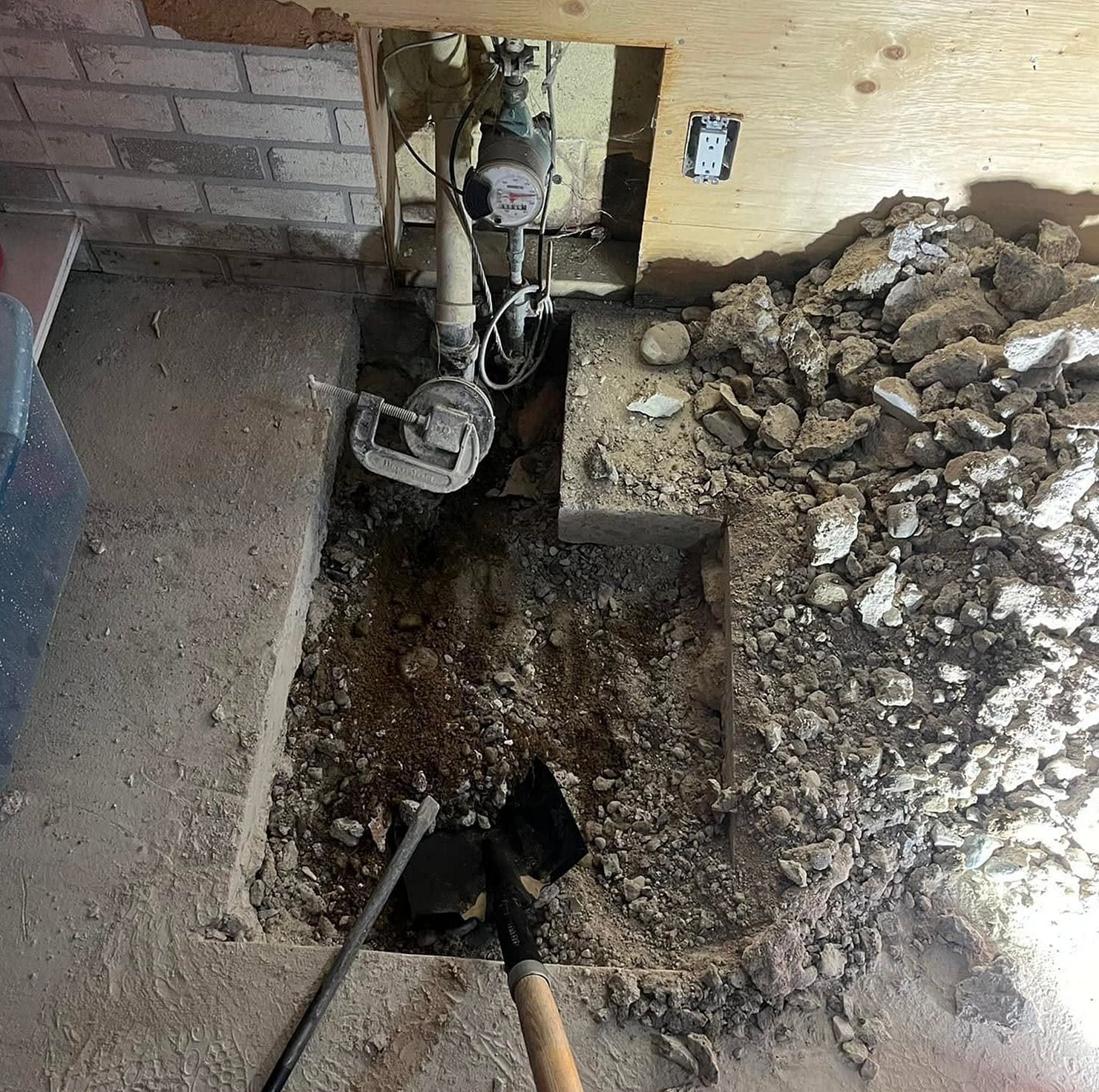
Find the shutoff now, while nothing is leaking, so you are not searching for it with water on the floor:
- Look where the water line enters the house: in the garage, on an outside wall near the front hose bib, or in a utility closet.
- A round handle turns clockwise to close; a lever valve closes when the handle sits across the pipe.
- If there is no house valve, or it will not turn, go to the meter box near the curb under the plastic or metal lid.
- The meter valve often needs a meter key or an adjustable wrench to turn a quarter turn; keep one where you can find it.
- Once the water is off, turn off the water heater too, so it does not heat an empty tank.
Freeze Protection for Austin’s Hard Freezes
Austin does not freeze often, which is exactly why a hard freeze catches houses unprepared: pipes in exterior walls, attics and crawl spaces were never built for it. When a freeze is in the forecast:
- Wrap exposed pipes, the outdoor hose bibs and the backflow device on an irrigation system with foam insulation or towels and plastic.
- Disconnect garden hoses and shut off and drain outdoor lines and sprinkler systems.
- Let faucets on outside walls drip, hot and cold, through the coldest hours.
- Open cabinet doors under sinks on exterior walls so the house heat reaches the pipes.
- Know where the main shutoff is before the temperature drops. A frozen pipe often splits without showing it until it thaws.
Emergency Questions
What should I photograph for my insurance claim?
Before anything is moved: wide shots of each wet room, close-ups of the source if you can see it, stained ceilings and walls, damaged belongings, and the water meter reading. Photograph the broken part again once it is uncovered. Keep the receipts for anything you buy to dry out or protect the house.
What should I email you about an emergency?
Call first if water is still running. Then email photos of the leak or the backup, the address, a phone number to reach you and a short note on what happened and what you have already shut off. The request form takes text only, so photos go by email to office@american-plumbing-tx.com.
Can I keep using water after the main is off?
Not from the taps, and toilets will flush once from what is in the tank. Fill a few jugs before you shut the main if you have a moment, and keep the water heater off while the lines are empty.
Should I call the city or a plumber for a sewer backup?
If the backup is coming from the city main in the street, the city handles it; if it is in your service line, it is yours to repair. A plumber can tell which by checking the cleanout. Either way, stop using the drains until it is cleared.